

IPT Facts and Fallacies
Thomas Sowell could jestingly define IPT Compliance as “the art of creating and/or manipulating risks, pitched blaming the unreasonable Tax Authority”.

Those extremely skilled in this craft can make a living out of it, and even retire in an anti-wrinkles center in the strategic Gibraltar.
As you may be already aware, we are not concerned about wrinkles.
Therefore, we set out on a first jog paraphrasing the masterwork of the outspoken economist and historian, looking for widely spread false beliefs in the IPT backyard.

1) “The German Bundeszentralamt für Steuern can levy interests applied monthly from the origination of the irregularity affecting IPT/FPT payments”
The Teutonic language flows on a fascinating structure just like a German machine, yet its intimidating appearance may have been weaponised by the representatives of this flawed theory. Or perhaps, they mixed it up with another Mitteleuropean tongue. In any event, the local “Code on Tax” lists in article 233 the taxes subjects to the discipline on interests, without mentioning IPT. Nor does the Versicherungsteuergesetz or any other applicable ancillary body of dispositions. Contrary to what asserted somehow, there is no general extension of the VAT – one of the taxes listed in article 233 of the “Code on Tax” - provisions to the IPT regime in case of missing input on a specific matter.
Needless to add, but we add it regardless: in our experience the German Tax Authorities have never requested the payment of any Zinsen for IPT regularisations. And we wouldn’t anticipate much out-of-the-Law creation from Germans in the foreseeable future either.
2) “The Solidarity Contribution to the Antiracket Fund is administered by CONSAP”
If you are Italian, you probably think that we are making this up. Instead, presently a good portion of the operators within insurance companies and IPT practices alike still falls under the spell, which equivalates to considering the UK IPT administered by Southern Water, rather than HMRC.
CONSAP features on internal ledgers and payment references. We wish to keep the magic going and not reveal what CONSAP is responsible for, nor who is managing the Antiracket funds.

3) “The Italian Tax Authorities are unreasonable in asking for proofs of IPT payments completed via wire transfers”
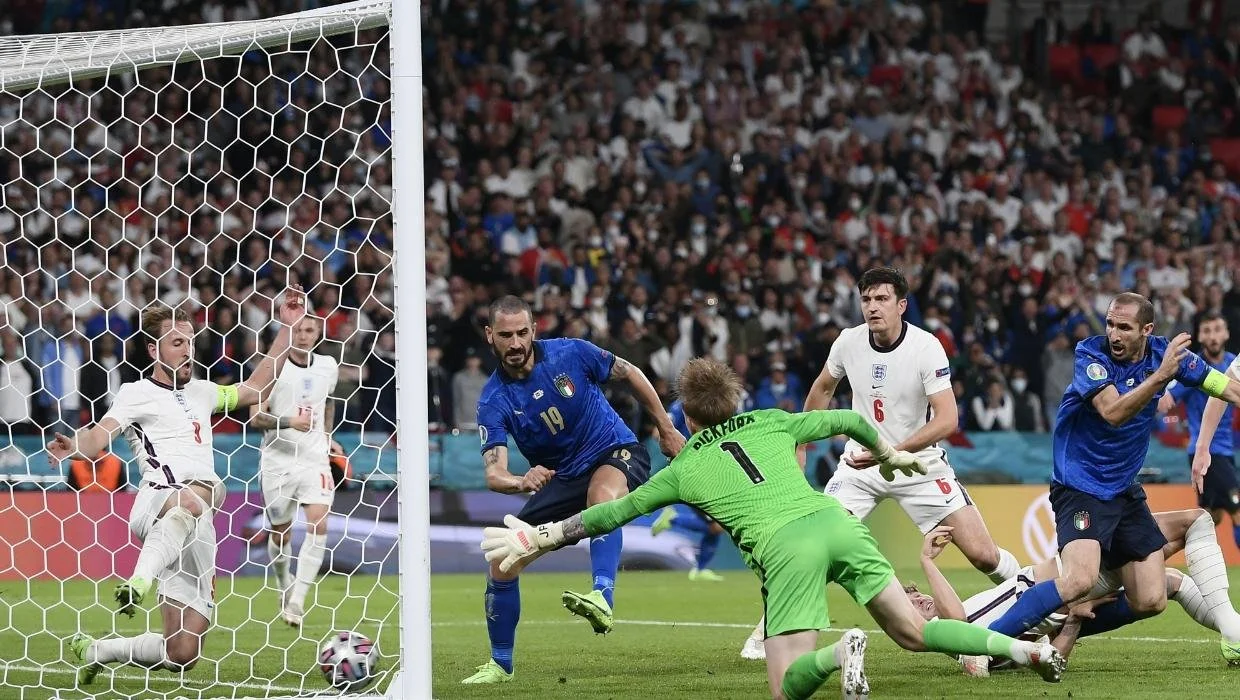
Ungrounded biases towards the Italian IPT field have spiked especially after the European Championships of football in 2021 and the 4*100 metres male relay in Tokyo. However, facts are stubborn: Italy have implemented an IPT online filing system and a direct debit payment method before many other European counterparts.
When it comes to tax settlements, any taxpayer is asked to set up an Italian bank account and comfortably dispose an F24 payment online/via app, an operation that generally takes between 2’ and 5’. Nonetheless, Agenzia delle Entrate are so gentle to allow insurance companies and operators – essentially one medium spin-off from a palindrome trailblazer, currently responsible for nearly 90% of the additional workload handled by the Tax Authority, having nowhere near that market share – to still transfer via foreign wire transfers, as long as receipts of them are provided in due course.
In early 2024 we have witnessed France implementing the full transition to an online system after a 2-year postponement, resulting in several hiccups for a few months. The request of receipts of wired payments from the French Tax Authority to validate the settlements in case of failed direct debits didn’t appear undue at the time.
Power of Leonardo Bonucci and Filippo Tortu’.
